.svg)
Zero-Party Data for D2C: The Playbook for 2026
.avif)
Zero-party data is information your customers voluntarily hand over. Not inferred. Not tracked. Explicitly shared because they want something in return.
Forrester coined the term in 2018. The definition is simple: "Data a customer intentionally and proactively shares with a brand."
For D2C brands, this is the most valuable data type you can collect. It's accurate, compliant, and builds trust. The rest of this guide shows you exactly how to collect it, use it, and structure it into your lifecycle programme.
Why Zero-Party Data Is Now Non-Negotiable for D2C
The privacy environment has tightened. Approximately 79% of the global population is covered by data privacy laws. Third-party cookies are gone from most browsers. Safari killed them years ago. Chrome followed suit. Firefox too.

What does that mean for your campaigns? Without third-party data, McKinsey research indicates potential revenue losses as high as 50% without replacing third-party data. You need a different approach.

Zero-party data solves it. Customers tell you what they want. You personalise accordingly. No tracking. No guessing. No compliance headaches.
The D2C ecommerce market in the United States reached approximately $212.9 billion in 2026. Competition is fierce. Brands that personalise properly win. Those that don't get ignored.
Customer acquisition costs keep climbing. Customer acquisition costs have increased by 60 percent over five years. Retention is cheaper. Zero-party data powers retention by delivering what customers actually asked for.

Zero-Party Data vs First-Party vs Second-Party vs Third-Party
The four data types operate differently. Most D2C brands conflate zero-party and first-party data. They're not the same.
Data TypeSourceCustomer ControlAccuracyZero-Party DataIntentionally shared by customerFull control, voluntary disclosureHighestFirst-Party DataObserved behaviour on your siteCustomer browsing, implicit collectionHighSecond-Party DataAnother company's first-party dataNo direct customer relationshipMediumThird-Party DataAggregated from multiple sourcesNo customer consentLow to medium
Zero-Party Data
This is what customers tell you directly. Purchase intentions. Product preferences. Dietary requirements. Style choices. Size information.
Example: A customer fills out a quiz saying they prefer vegan skincare products. That's zero-party data. They told you explicitly.
First-Party Data
Behavioural data you collect when customers interact with your brand. Pages viewed. Emails opened. Products clicked. Cart abandonment. Purchase history.
It's accurate because it's your own data. But it's inferred, not stated. You're guessing intent from behaviour.
Second-Party Data
Someone else's first-party data that you've got access to through a partnership. Rarely used by D2C brands unless you're running collaborative campaigns.
Third-Party Data
Aggregated data bought from data brokers. Cookie-based tracking. Largely unavailable now because of privacy laws and browser restrictions.
Combining zero-party data with first-party data gives you the sharpest customer picture. Stated preference plus observed behaviour equals accurate personalisation.
What Zero-Party Data Actually Includes
Zero-party data comes in several forms. All of them require the customer to actively share.
Purchase Intentions
What customers plan to buy. "I'm looking for running shoes for trail running." That's a stated intention. You can segment and message accordingly.
Product Preferences
Style choices. Material preferences. Brand affinities. Colour selections. Fit requirements.
Example: A fashion brand asks customers to select their style profile during onboarding. Minimalist. Streetwear. Classic. Each profile gets different product recommendations.
Personal Context
Lifestyle information that affects purchase decisions. Dietary restrictions. Allergies. Household size. Pet ownership. Climate zone.
This context lets you filter product catalogues intelligently. No point showing wool jumpers to someone allergic to wool.
Communication Preferences
How often customers want to hear from you. Which channels they prefer. What types of content interest them.
Preference centres are the standard tool here. Customers control frequency, channel, and topic.
Feedback and Ratings
Post-purchase surveys. Product reviews. NPS scores. Customer satisfaction ratings.
This data tells you how customers feel about their experience. Use it to refine product ranges and service quality.
How to Collect Zero-Party Data Without Annoying Customers
Collection methods matter. Badly designed quizzes get ignored. Intrusive surveys damage trust. Do it properly or don't bother.
Interactive Quizzes
Short, engaging quizzes that provide value in exchange for data. Skincare brands use them constantly. "Find your perfect routine in 60 seconds."
Keep them to 5-7 questions maximum. Make them visually appealing. Deliver a useful result at the end.
Tools like Typeform or Octane AI integrate with Shopify and Klaviyo to push quiz responses straight into your customer profiles.


Preference Centres
Let customers manage their own data and communication settings. Frequency. Channel. Content topics. All controlled by the customer.
Build preference centres into your email footer. Link to them in welcome flows. Update profiles automatically when customers make changes.
Klaviyo and Braze both offer native preference centre functionality. No custom development required.

Surveys and Polls
Post-purchase surveys work if you keep them short. One or two questions maximum. "How was your delivery experience?" "Would you buy this again?"
Use them sparingly. Survey fatigue is real. Once per quarter is plenty for most customers.
Progressive Profiling
Collect data gradually across multiple interactions. Don't ask for everything upfront.
First visit: Capture email. Second visit: Ask for birthday. Third visit: Request style preferences. Spread it out over 30-60 days.
Progressive profiling reduces friction. Customers don't feel interrogated. You still get the data you need.
Loyalty Programmes
Points-based programmes incentivise data sharing. "Complete your profile for 100 bonus points."
Sephora's Beauty Insider loyalty program drives approximately 80 percent of sales transactions. Members share preferences because they get better recommendations and exclusive offers.
Loyalty programmes work when the value exchange is obvious. Points. Early access. Exclusive products. Make it worth their time.
Personalisation Strategies Using Zero-Party Data
Collecting data is pointless if you don't use it. Personalisation is the payoff. Done properly, zero-party data collection can lead to conversion rate increases up to 296%.

Dynamic Product Recommendations
Show products based on stated preferences, not just browsing history. If a customer says they prefer sustainable materials, filter your catalogue accordingly.
Use zero-party data to personalise homepage banners, email product blocks, and post-purchase cross-sells.
Segmented Email Flows
Build segments based on quiz responses and preference data. Create separate welcome flows for different customer profiles.
Example: A coffee brand segments by roast preference. Light roast customers get emails about fruity, floral blends. Dark roast customers see rich, chocolatey options.
Check our email automation toolkit for flow templates you can adapt.
Personalised Landing Pages
Use URL parameters to personalise landing pages based on quiz results or survey responses. Show relevant products. Adjust copy to match stated preferences.
This requires some technical setup but the conversion lift is worth it. Optimizely and Mutiny both support this.

Triggered Campaigns Based on Intentions
If a customer tells you they're shopping for a specific occasion, trigger a campaign around that date.
Birthday emails. Anniversary reminders. Holiday gift guides. All based on dates customers voluntarily shared.
Customer Service Personalisation
Feed zero-party data into your customer service platform. When a customer contacts support, your team sees their preferences and purchase intentions immediately.
Faster resolution. Better experience. Higher satisfaction scores.
Privacy, Consent, and Compliance
Zero-party data is compliant by design. Customers share it voluntarily. But you still need proper consent management and data handling.
GDPR Requirements
Under GDPR, you need explicit consent to process personal data. Zero-party data collection usually satisfies this because customers actively provide it.
But you still need clear privacy policies. Transparent data usage explanations. Easy opt-out mechanisms.
Our GDPR and email marketing guide covers the full compliance checklist for D2C brands.
CCPA and State-Level Privacy Laws
In the United States, the privacy regulatory environment has fragmented into state-level laws. California has CCPA. Virginia has VCDPA. Colorado has CPA.
Each law has different requirements. Generally, you need to disclose what data you collect and let customers request deletion.
Zero-party data simplifies compliance because it's transparently collected. Customers know exactly what they shared.
Consent Management Platforms
Use a consent management platform to track customer preferences and permissions. OneTrust and Cookiebot are the most common options.
These platforms log when customers gave consent, what they consented to, and when they withdrew it. Critical for audit trails.


Data Storage and Security
Store zero-party data securely. Encrypt it. Limit access to authorised team members only.
Most ESPs handle this automatically. Klaviyo, HubSpot, and Braze all meet standard security certifications.
If you're building custom systems, work with a developer who understands data protection regulations.
Implementation Roadmap for D2C Brands
Rolling out zero-party data collection requires planning. Don't just bolt on a quiz and hope for the best.
Month 1: Audit Current Data Collection
What data are you already collecting? Where are the gaps? What customer information would improve personalisation?
Map your customer journey. Identify touchpoints where customers could voluntarily share information.
Month 2: Design Collection Mechanisms
Build quizzes, surveys, and preference centres. Test them internally. Make sure they're mobile-friendly.
Write clear privacy notices. Explain how you'll use the data. Make the value exchange obvious.
Month 3: Integrate with Your ESP and CDP
Connect quiz tools and survey platforms to your email service provider. Push responses into customer profiles automatically.
If you're using a CDP like Segment or Treasure Data, route zero-party data through it. This creates a unified customer view.


Read our CDP guide for implementation details.
Month 4: Build Segmentation and Personalisation Rules
Create segments based on quiz responses and stated preferences. Build automated flows that trigger based on zero-party data.
Start simple. One or two personalised flows. Test them. Measure performance. Iterate.
Month 5: Launch and Optimise
Roll out your zero-party data collection programme. Promote quizzes in email campaigns and on-site.
Monitor completion rates. If they're low, simplify your questions. If responses aren't actionable, refine what you're asking.
Month 6: Scale Across Channels
Expand zero-party data collection to SMS, push notifications, and in-app messaging. Use the same preference data across all channels.
Multi-channel programmes work best when they're consistent. Customers shouldn't have to re-share preferences for each channel.
Common Mistakes D2C Brands Make
Most brands get zero-party data wrong in predictable ways. Avoid these.
Asking for Too Much Too Soon
A 20-question quiz on the first visit kills completion rates. Keep it short. Five questions maximum.
Progressive profiling spreads data collection over time. Less friction. Higher completion.
Collecting Data You Won't Use
Don't ask questions if you can't act on the answers. Every data point should inform a personalisation strategy.
If you ask about dietary preferences, your product recommendations better reflect them. Otherwise, you've wasted the customer's time.
Ignoring the Value Exchange

Customers won't share data for nothing. Offer something tangible. Better recommendations. Exclusive discounts. Early access.
Not Using the Data
Only 16 percent of marketers actively collect and use zero-party data. Most brands collect it and then ignore it.
If you're not personalising based on the data, don't collect it. It damages trust when customers share preferences and nothing changes.
Failing to Update Data
Customer preferences change. Let them update their profiles easily. Link to preference centres in every email.
Stale data is worse than no data. You'll personalise incorrectly and frustrate customers.
Zero-Party Data and AI-Powered Personalisation
AI tools are changing how D2C brands use customer data. Over 60 percent of Gen Z and Millennials report AI tools influence their shopping decisions.
Zero-party data trains AI algorithms better than behavioural data alone. It provides ground truth. Customers told you what they want. AI can optimise around that.
Predictive Product Recommendations
Combine zero-party data with purchase history and browsing behaviour. Feed it into a recommendation engine. You get more accurate product suggestions.
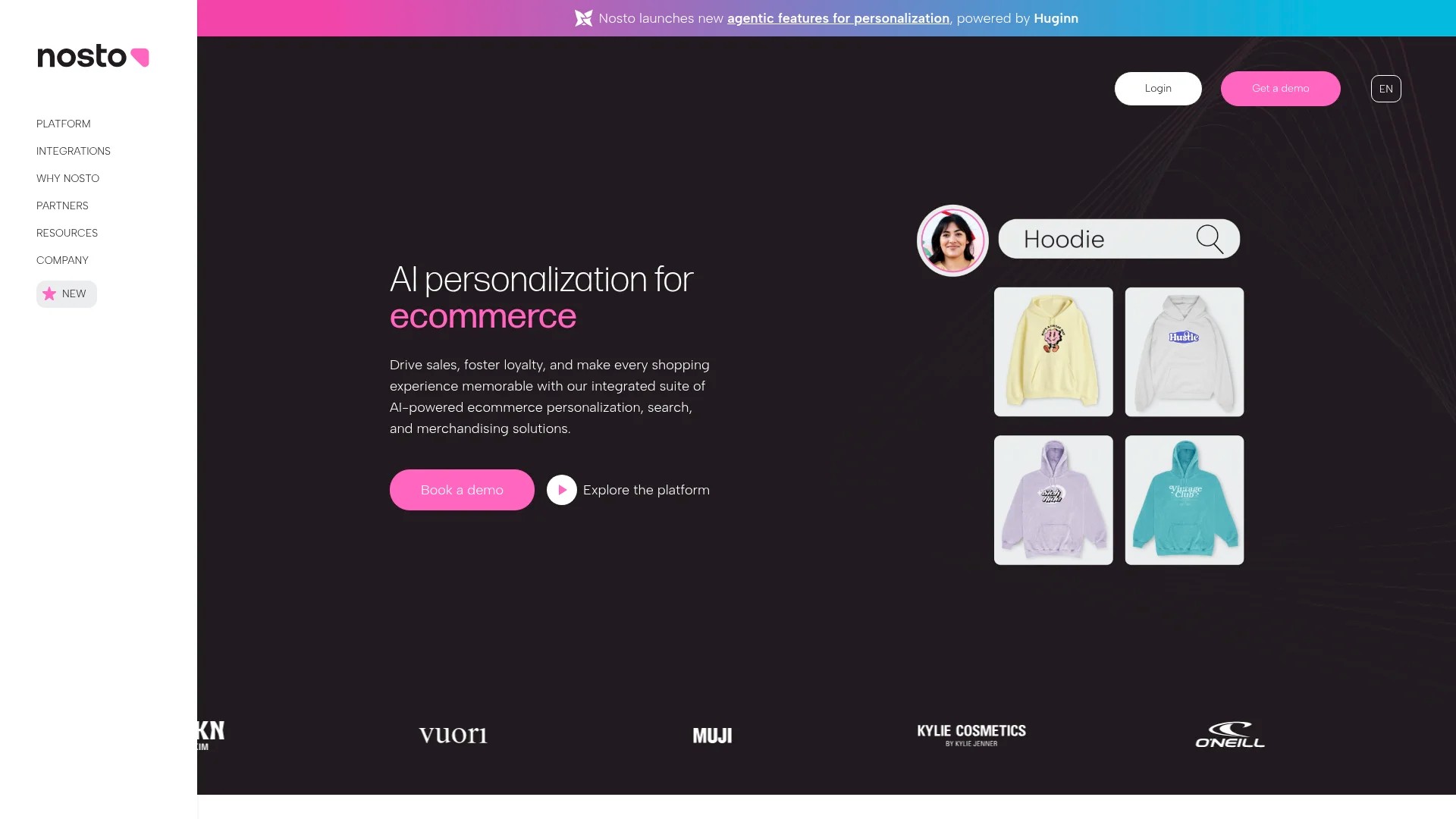
Nosto and Algolia both support this. They take multiple data sources and generate real-time recommendations.

Dynamic Pricing and Offers
Use stated purchase intentions to personalise offers. If a customer says they're price-sensitive, prioritise discount messaging. If they value sustainability, highlight eco-friendly products.
Lifecycle Stage Prediction
Zero-party data helps predict where customers are in their lifecycle. New customers who complete detailed preference quizzes tend to have higher lifetime value.
Use this to prioritise retention campaigns for high-value segments.
Content Personalisation
Generate email copy and landing page content based on stated preferences. AI tools like Jasper or Copy.ai can tailor messaging to specific customer profiles.
Our AI prompts for email marketing guide shows you how to structure this.
Measuring Zero-Party Data Programme Success
Track these metrics to understand if your zero-party data programme is working.
Collection Rate
What percentage of customers complete quizzes or update preference centres? Aim for 20-30% participation within the first 90 days.
If it's lower, your collection mechanism is too long or the value exchange isn't clear.
Personalisation Lift
Compare conversion rates between personalised and non-personalised campaigns. Personalised emails should convert 2-3x higher.
Track revenue per recipient. Personalised sends should generate more revenue per person.
Customer Satisfaction
Survey customers who've shared zero-party data. Are they getting better recommendations? Do they feel the brand understands them?
NPS scores should be higher for customers who've completed preference profiles.
Retention and Repeat Purchase Rate
Customers who share zero-party data typically have higher retention rates. They're more engaged. They get more relevant product recommendations.
Track 90-day and 180-day repeat purchase rates. Compare customers who've shared zero-party data against those who haven't.
Our customer retention guide for Shopify stores covers the full retention measurement framework.
Data Quality Score
How complete are customer profiles? What percentage of your list has stated preferences recorded?
Aim for 40-50% profile completion within six months of launch.
What's Next for Zero-Party Data
Privacy regulations will tighten further. Browsers will restrict tracking more aggressively. Third-party data is effectively dead.
Zero-party data is the only reliable way to personalise at scale. Brands that build robust collection and usage systems now will dominate retention.
The brands that win are the ones that make data sharing feel like a conversation, not surveillance. Clear value exchange. Transparent usage. Tangible benefits.
If you're running a D2C brand and you're not collecting zero-party data, you're already behind. Start small. Build a quiz. Add a preference centre. Use the data to personalise one flow.
Then scale from there.
Need help building a zero-party data strategy for your D2C brand? Our multi-channel CRM strategy and consulting service includes zero-party data collection design, ESP integration, and personalisation roadmaps. Get in touch to discuss your requirements.