.svg)
30 Ecommerce Newsletter Ideas That Actually Get Opened
.avif)
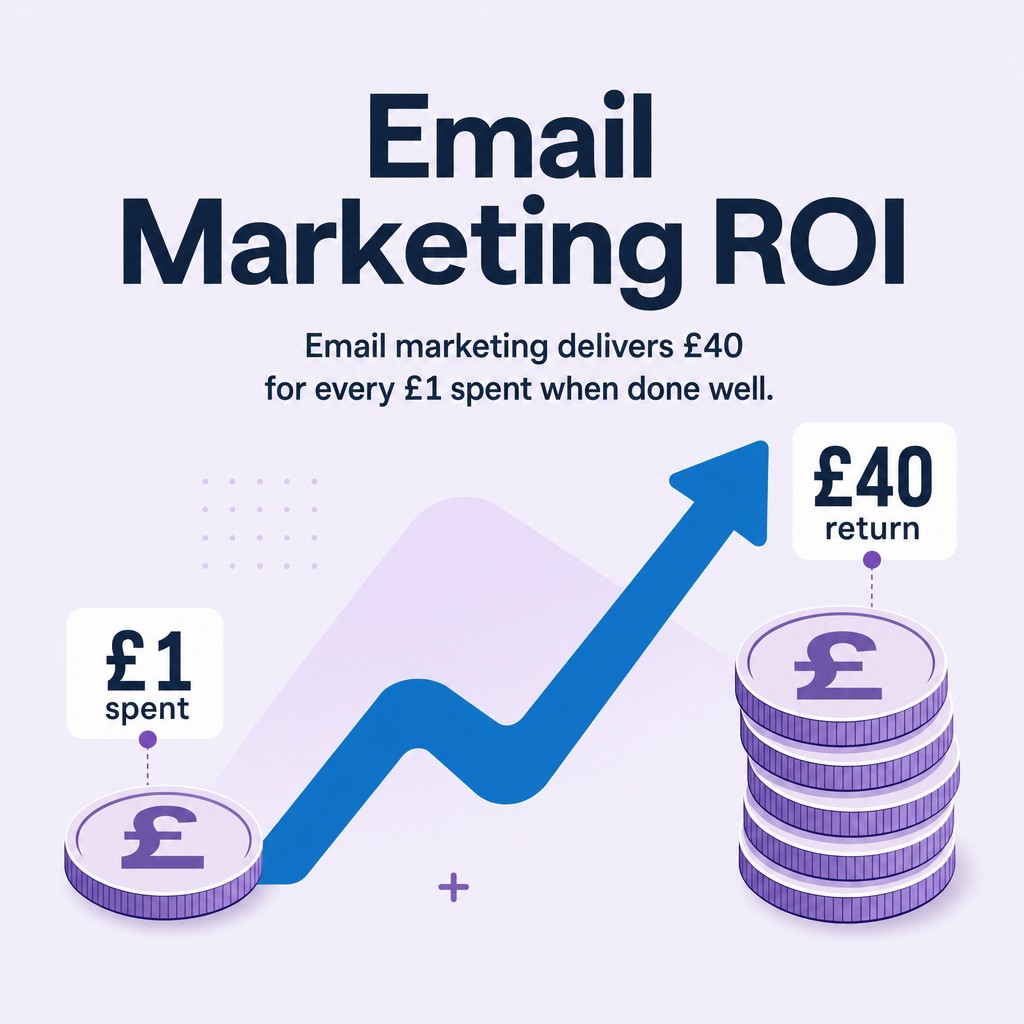
Email marketing delivers £40 for every £1 spent when done well.
The challenge? Most ecommerce newsletters end up unopened.
They either pitch too hard or offer nothing worth the inbox space. The brands that win achieve 83.63% open rates on welcome emails by treating email like a retention channel, not a broadcast tool.
This guide gives you 30 specific newsletter ideas built for ecommerce brands. Each one addresses a different moment in the customer lifecycle. You'll see which ideas work for acquisition, which ones drive repeat purchase, and which templates suit different segments.
Apply these across your email automation flows and manual campaigns. The best ecommerce brands use 8 to 12 of these on rotation.
Why Most Ecommerce Newsletters Get Ignored
The average inbox gets 121 emails per day.
Your newsletter competes with order confirmations, work emails, and personal messages. Ecommerce open rates range from 26.64% to 31.08% depending on industry, but most brands sit at the lower end because they send the same template to everyone.
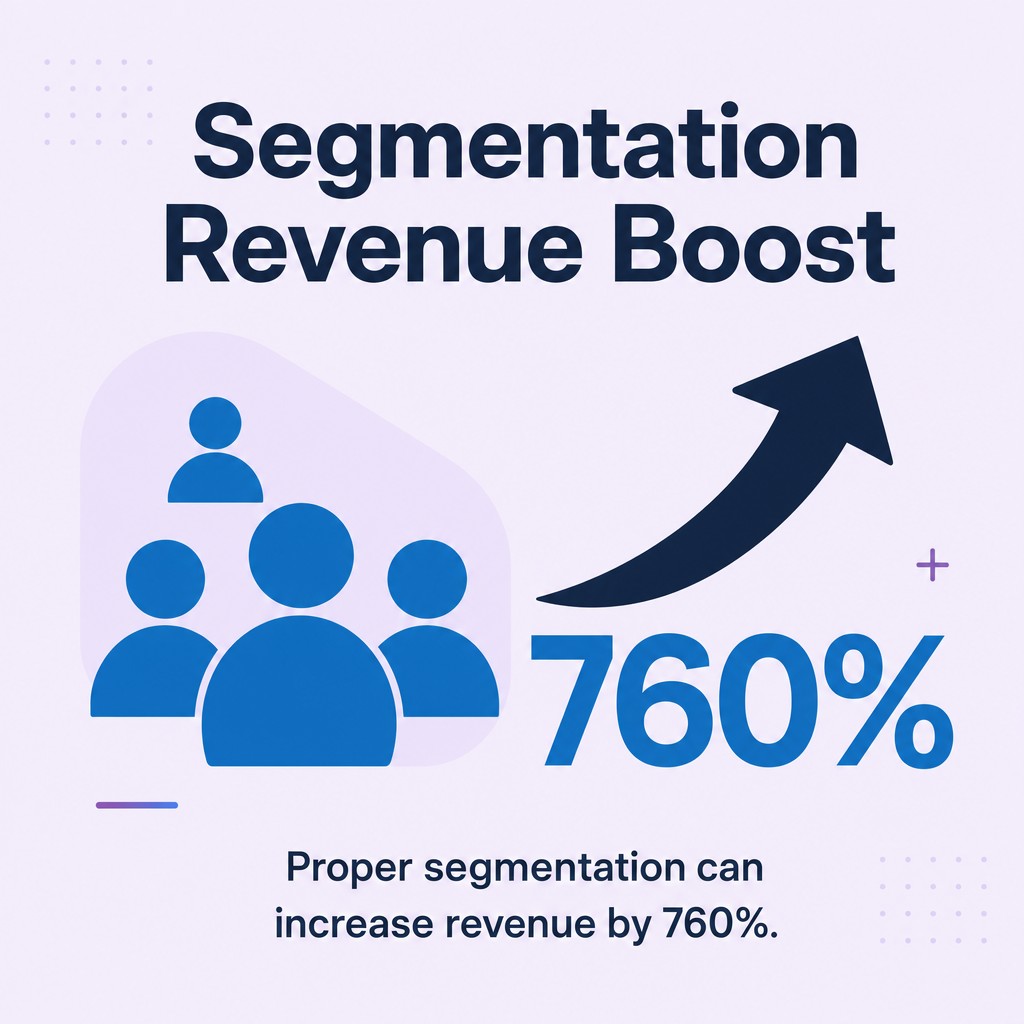
Segmentation changes that. Proper segmentation can increase revenue by 760%, yet most ecommerce brands still batch and blast.
The fix requires treating newsletter content like inventory. Different customer segments need different products. First-time buyers need education. Repeat customers need exclusivity. High-value accounts need recognition.
Subject Lines Determine Everything
Your subject line gets three seconds of attention.
Personalisation in subject lines lifts open rates by 26%. That doesn't mean just dropping a first name. It means using purchase history, browsing behaviour, or location data to make the subject line relevant.
Preview text matters too. Adding optimised preview text increases open rates by 5-30%. Most ecommerce platforms default to "View in browser" or pull the first sentence. Change that.
Mobile Renders First
41% of email opens occur on mobile devices.

Your newsletter design needs to work on a 375px screen before you worry about desktop. Single-column layouts win. Generous tap targets prevent misclicks. Large, readable fonts avoid pinch-zoom.
Test every newsletter on an actual phone before sending.
Customer Acquisition Newsletter Ideas
1. Welcome Series with Value-First Content
Welcome emails achieve 83.63% open rates.

Use the first email to deliver immediate value, not a discount code. Share your brand story, explain what makes your products different, or offer a buying guide.
Subject line example: "What to expect from [Brand Name] (and a thank you gift)"
Send the second email 48 hours later with product education. The third email can include a time-limited offer for first purchase.
2. Browse Abandonment Recovery
Visitors who view products but don't add to cart show intent.
Send an automated email 24 hours after they leave. Remind them what they viewed. Include social proof like reviews or "X people bought this today" messaging.
Subject line example: "Still thinking about the [Product Name]?"
Keep the tone helpful, not desperate. Offer to answer questions or link to sizing guides.
3. Cart Abandonment with Urgency
Abandoned cart emails achieve 50.50% open rates.
The first email goes out one hour after abandonment. Show cart contents and a clear CTA to complete checkout. The second email includes social proof. The third offers a small incentive if the cart value justifies it.
Subject line example: "You left £[Amount] in your cart"
Countdown timers in flash sale emails consistently show higher click-through rates. Add one to create genuine urgency.
4. Product Recommendation Based on Browsing
AI-driven recommendations raise order value by 15-22%.
Use browsing data to suggest products in a curated newsletter. If someone viewed winter coats, show them scarves and gloves.
Subject line example: "Based on what you've been looking at..."
Limit recommendations to three products. More choices reduce decision speed.
5. Category Deep-Dives for Education
New customers need help understanding your catalogue.
Create newsletters that explain one product category in detail. Include buying guides, material explanations, or care instructions.
Subject line example: "The complete guide to choosing [Product Category]"
Link to specific products within the guide. This educates and drives clicks without hard selling.
Engagement and Retention Newsletter Ideas
6. Post-Purchase Care Guides
The first email after delivery matters more than most brands realise.
Send care instructions, styling tips, or usage guides 48 hours after the order arrives. This reduces returns and increases satisfaction.
Subject line example: "How to get the most from your new [Product]"
Include links to complementary products. If they bought running shoes, suggest socks or laces.
7. Customer Review Requests with Incentive
Reviews drive future sales.
Send a review request 7-14 days after delivery, depending on product type. Offer a small discount on their next purchase for leaving a review.
Subject line example: "What did you think? (Plus 10% off next order)"
Make the review process one-click easy. Link directly to the product page with a pre-filled form.
8. User-Generated Content Features
User-generated content boosts engagement because it provides social proof.
Feature customer photos in a monthly newsletter. Tag the customers and ask permission first.
Subject line example: "How [Customer Name] styled their [Product]"
This builds community and shows real-world product use.
9. Loyalty Programme Updates
Customers enrolled in loyalty programmes need regular reminders of their status.
Send quarterly updates showing points balance, tier status, and rewards available. Make redemption one click away.
Subject line example: "You've earned [X points] - here's what you can claim"
Our loyalty programme strategies focus on making rewards feel immediate and valuable.
10. Exclusive Early Access for Repeat Customers
Repeat customers drive most ecommerce profit.
Give them 24-48 hour early access to new products or sales. This rewards loyalty and creates exclusivity.
Subject line example: "You're in - 24 hours before everyone else"
Segment by purchase frequency or lifetime value to target the right customers.
11. Replenishment Reminders for Consumables
Products like skincare, supplements, or coffee run out on predictable schedules.
Set up automated emails based on expected usage. If a product typically lasts 30 days, send a reminder on day 25.
Subject line example: "Running low on [Product Name]? Reorder now"
Include a one-click reorder button. Make repurchase frictionless.
12. Win-Back Campaigns for Dormant Customers
Customers who haven't purchased in 90 days need re-engagement.
Send a personalised email acknowledging the gap. Offer a compelling reason to return, whether that's new products, improved service, or an incentive.
Subject line example: "We miss you - here's what's changed"
If they don't respond after three emails, remove them from regular campaigns to protect deliverability.
Product-Focused Newsletter Ideas
13. New Product Launch Announcements
Product launches deserve dedicated emails, not sidebar mentions.
Send a teaser email 48 hours before launch. Follow with the main announcement on launch day. Include product benefits, pricing, and social proof if available.
Subject line example: "Launching tomorrow: [Product Name]"
Use countdown timers to build anticipation. Link to pre-order if available.
14. Behind-the-Scenes Product Development
Customers appreciate transparency about how products get made.
Share factory tours, material sourcing stories, or design process updates. This builds brand affinity beyond just selling products.
Subject line example: "How we designed the [Product Name]"
The best ecommerce newsletters balance selling with storytelling.
15. Limited Edition or Seasonal Drops
Scarcity drives action when genuine.
Create limited-run products and announce them with clear quantity limits. Use real-time inventory counters when possible.
Subject line example: "Only 100 made - [Product Name] drops Friday"
Follow up with sold-out announcements to reinforce scarcity for future drops.
16. Product Comparison Guides
Customers struggle to choose between similar products.
Create comparison newsletters that break down differences in features, price, or use cases. This educates and reduces purchase anxiety.
Subject line example: "[Product A] vs [Product B] - which suits you?"
Include a quiz or decision tree to make it interactive.
17. Best Sellers and Trending Products
Social proof influences purchase decisions.
Monthly newsletters highlighting top sellers show what other customers buy. Include review snippets and stock levels.
Subject line example: "March's most-loved products"
Rotate these monthly to keep content fresh.
18. Restocks for Previously Sold-Out Items
Customers who wanted something unavailable are warm leads.
Collect emails at the product page for restock alerts. Send automated emails when inventory returns.
Subject line example: "[Product Name] is back in stock"
Add urgency by mentioning limited quantities if true.
Seasonal and Event-Driven Newsletter Ideas
19. Holiday Gift Guides by Recipient
Generic gift guides get ignored.
Segment by recipient type. Create separate guides for "Gifts for Him," "Gifts Under £50," or "Gifts for Outdoors Enthusiasts."
Subject line example: "12 gifts your [Target Person] will actually want"
Send these 4-6 weeks before major holidays when people start shopping.
20. Black Friday Preview Access
Black Friday emails get lost in the noise.
Send preview emails to your best customers 48 hours early. Show them what's going on sale before the public announcement.
Subject line example: "Black Friday preview - see the deals first"
Our guide on Black Friday subject lines and campaign tips shows how to stand out.
21. Birthday or Anniversary Discounts
Personal milestones create natural engagement opportunities.
Collect birthdates at signup or checkout. Send automated birthday emails with exclusive discounts.
Subject line example: "Happy birthday - here's 20% off"
Make the offer valid for 7 days to allow flexibility.
22. Seasonal Transition Campaigns
Changing seasons prompt new purchase needs.
Send newsletters when weather shifts. If you sell outdoor gear, transition from summer to autumn with relevant product swaps.
Subject line example: "Ready for autumn? Here's what you need"
Link to seasonal collections or buying guides.
23. Flash Sales with Countdown Timers
Countdown timers in flash sale emails consistently show higher click-through rates.
Run 4-6 hour flash sales on slow days. Send one email with a visible countdown and clear end time.
Subject line example: "6 hours only - 30% off everything"
Keep these rare to maintain effectiveness.
Content-Driven Newsletter Ideas
24. Industry Tips and How-To Guides
Educational content builds authority.
Create tutorials related to your products. If you sell cameras, send photography tips. If you sell kitchenware, share recipes.
Subject line example: "5 photography mistakes and how to fix them"
Link to relevant products within the educational content.
25. Customer Success Stories
Real customer outcomes sell better than product descriptions.
Interview customers who achieved results with your products. Turn these into case study newsletters.
Subject line example: "How [Customer] transformed their [Goal Area]"
Include before and after details when relevant.
26. Curated Industry News Roundups
Position your brand as an industry resource.
Send monthly newsletters with curated news, trends, or research relevant to your customers' interests.
Subject line example: "What's happening in [Industry] this month"
Keep commentary brief and link to full sources.
27. FAQ Digests from Customer Service
Common questions reveal content opportunities.
Compile your most-asked questions monthly. Answer them in newsletter format with links to detailed help articles.
Subject line example: "Your top questions about [Product/Service] answered"
This reduces support volume while providing value.
Interactive Newsletter Ideas
28. Polls and Surveys for Product Development
Customers enjoy influencing products they'll buy.
Send polls asking about colour preferences, features, or product ideas. Share results in a follow-up email.
Subject line example: "Help us design the next [Product]"
Interactive emails achieve 4 times higher click-through rates than static emails.
29. Contests and Giveaways
Giveaways drive engagement when structured properly.
Run monthly contests requiring email entry. Keep entry requirements simple - one click maximum.
Subject line example: "Win £[Amount] worth of [Products]"
Announce winners publicly to build credibility for future contests.
30. Preference Centre Updates
Let customers control what they receive.
Send quarterly emails asking subscribers to update preferences. This improves engagement rates and reduces unsubscribes.
Subject line example: "Still want to hear from us? Update your preferences"
Include frequency options and content type selections.
Implementation Strategy for Your Newsletter Programme
Start with Automation
Automated emails result in 320% more revenue than non-automated emails.

Begin with these automated flows first:
- Welcome series (Ideas 1)
- Cart abandonment (Idea 3)
- Post-purchase care (Idea 6)
- Replenishment reminders (Idea 11)
These run without manual intervention and deliver consistent results. Our email marketing automation guide covers 50 more flow ideas.
Layer in Manual Campaigns
Once automation runs smoothly, add manual campaigns.
Email frequency optimisation shows high-engagement users can handle three to five emails weekly. Test your audience tolerance.
Rotate through product launches, content pieces, and seasonal campaigns. Track open rates by newsletter type to see what resonates.
Segment Aggressively
Segmentation alone improves average open rates by 12% year-over-year.
Create segments for:
- First-time buyers vs repeat customers
- High-value vs low-value customers
- Engaged vs dormant subscribers
- Product category preferences
Send different newsletter ideas to different segments. Never batch and blast the same content to everyone.
Test Subject Lines Systematically
Strategic use of emojis can increase open rates by 56%, but test this with your audience first.
Run A/B tests on every campaign. Test one variable at a time - subject line, preview text, or send time.
Track what works and build a swipe file of winning patterns.
Measure What Matters
Open rates tell you if subject lines work. Click rates show content relevance. Revenue per email reveals commercial impact.
Transactional emails achieve 15-25% click-to-open rates. Compare your campaigns against this benchmark.
Review performance monthly. Double down on newsletter types that drive revenue. Cut ideas that underperform after three attempts.
Optimise for Mobile and Dark Mode
Most subscribers read on phones.
Test every newsletter on iOS and Android before sending. Check how it renders in dark mode, which many users enable.
Use single-column layouts, large fonts (16px minimum), and generous spacing between elements. Make CTAs finger-sized (44x44px minimum).
Maintain List Hygiene
Remove inactive subscribers quarterly.
If someone hasn't opened in 6 months, send a re-engagement campaign (Idea 12). If they still don't engage, remove them.
This improves deliverability and keeps metrics accurate. Most ESPs charge by subscriber count, so cleaning lists reduces costs.
Making These Newsletter Ideas Work for Your Brand
You don't need all 30 newsletter ideas at once.
Start with 4-6 that match your business model and customer lifecycle. If you sell subscription products, prioritise replenishment reminders and loyalty updates. If you launch products frequently, focus on launch announcements and limited editions.
Test each idea for 60-90 days. Track open rates, click rates, and revenue attribution. Keep what works. Replace what doesn't.
The brands seeing exceptional open rates didn't get there with one newsletter type. They built a portfolio of ideas matched to different customer segments and lifecycle stages.
Need help implementing these newsletter strategies? Our email campaign management service handles everything from content planning to design and deployment.